Saturday, March 29, 2014

Why Do We Fight?


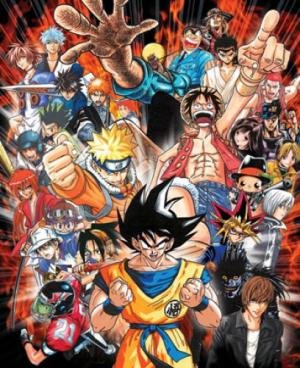
Why do we fight? A question that is asked so often in media that it has practically become cliche. An element that is juxtaposed throughout the whole shounen demographic. In one form or another, fights are a staple in the battle genre especially from series serialized in Jump. The question I am offering up today is a simple one: Why? Why do we embellish the idea of people brawling it out in life or death battles? Why are we enthralled with the idea of who is the stronger competitor in battle? Why are we captivated by the magical moment of watching how the fights unfold and what twists and turns lie ahead? These are all questions that popped in my head as I finished watching this most recent episode of Hunter x Hunter. So today, I will be analyzing the art of the fight and strive to answer the question posed in the title of the article.

In analyzing the art of the fight, I think it is most important to look at the question of why. So why do these fights occur and why are we so fascinated by these competitions? Well, it's simple really. What it boils down to is it is human nature to be captivated with the sport of competition. This is why sports are popular, boxing and mma are popular as well as super heroes. People resort to these forms of entertainment to escape from their real world problems. Humans are competitive by nature, so this provides them an outlet to enjoy competition. These fights in anime also parallel the real world problems such as all the wars we experience daily. A lot of these battles are the perceived good guys defending the world from the bad guys. This concept is an escape from the real life fights and allows us to enjoy the good guys being able to overcome the bad guys since this doesn't always happen in the real world. Instead of more physical weapons (such as the guns and knives we use in real fights) they are substituted with more supernatural powers in this genre of anime. This isn't to say that guns and knives aren't present in shounen battle anime, but the primary weapon of war in anime is supernaturally based centering on weapon's made from human life energy. We want to be able to believe that embellishing war this way through magical powers is real because it makes it enjoyable and cool. This is why fights have become a staple for the shounen battle genre. We as humans are fascinated with the competitive nature of an all out battle.

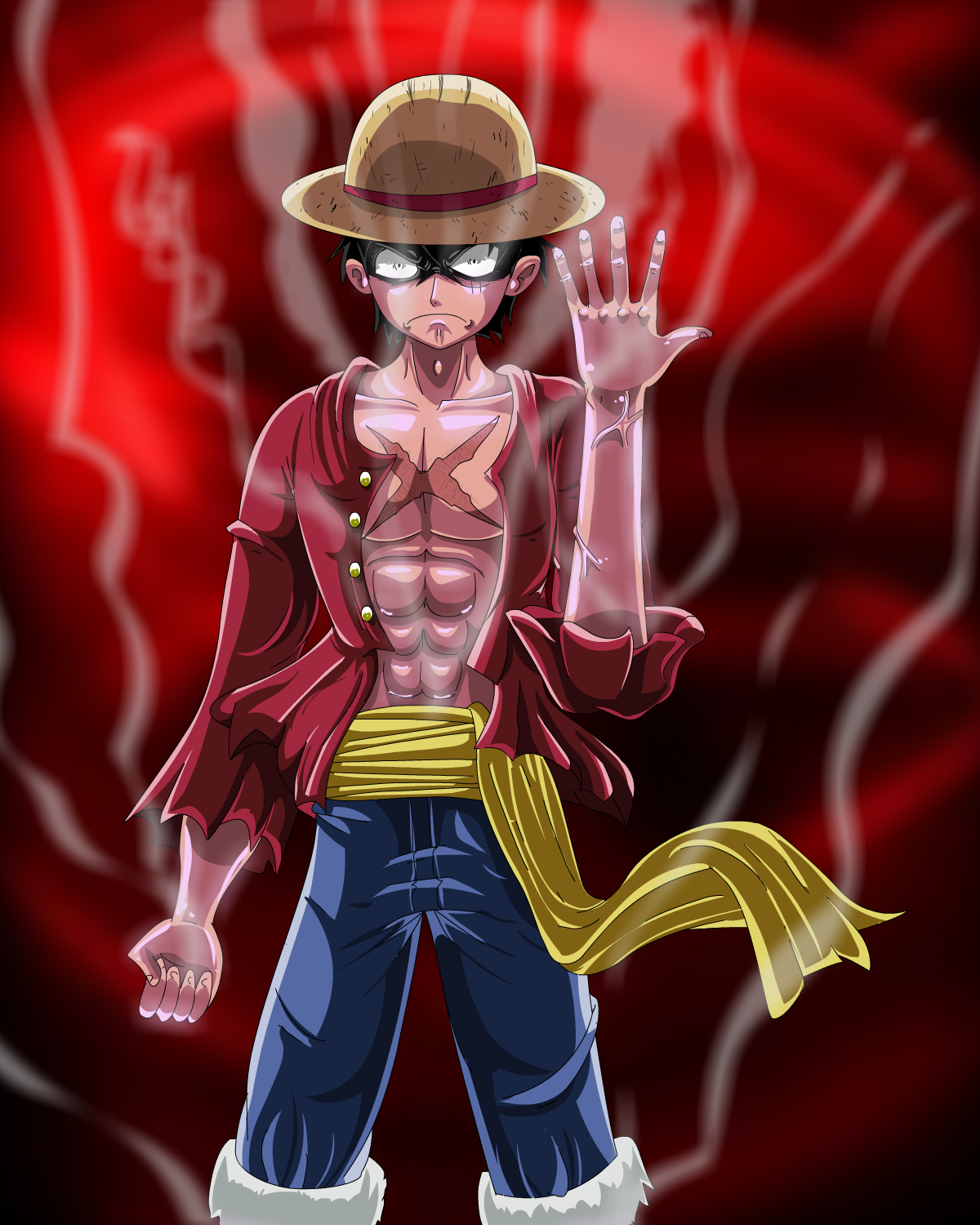
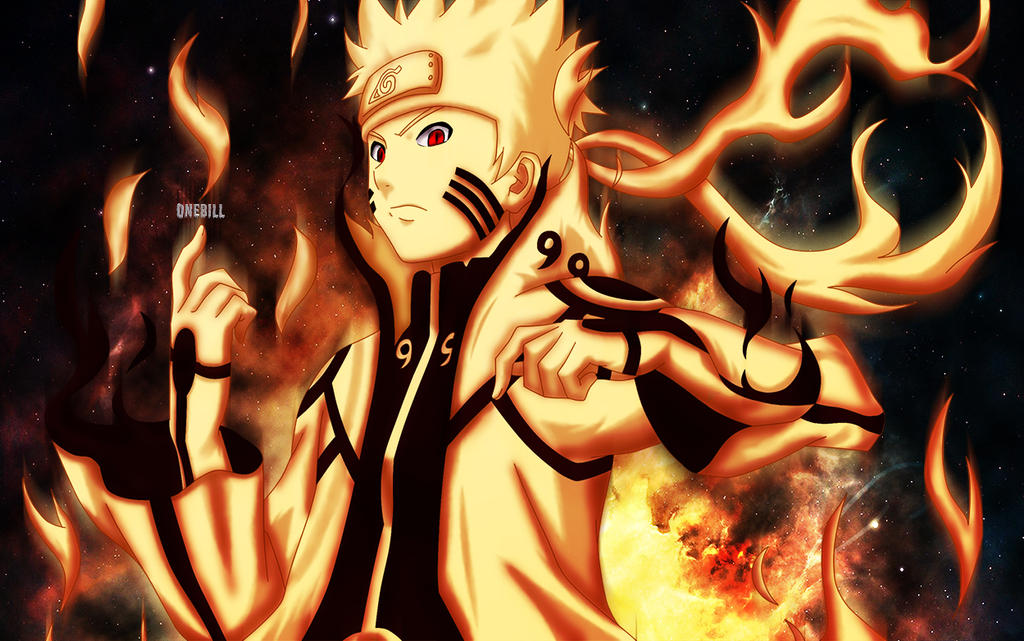
Now that we've looked at why fights occur, the next step is to dissect the actual elements to what makes a fight so compelling. The first is the great conveying of emotions through battle. In my opinion, the emotional means to a fight is a critical element that is greatly overlooked in why certain fights are so memorable. There is no better example of this than a fight that occurred in Yu Yu Hakusho when Hiei battled one of three demon world kings in Mokuro. This was not the best physical brawl in history as much of the contest was heavily dominated by Mokuro, however it is still a very meaningful fights for fans because of the great emotional story that this fight centered around. Mokuro was attempting to get Hiei to accept wanting to live and they were in a sense professing their feelings for each other. It was magical to witness and is still one of my favorite fights from that series. But this isn't the only emotionally driven fight. Most of the best fight do have an emotional back story to go along with it. Just to name a few memorable ones off the top of my head: Gon vs Pitou (Hunter x Hunter), Naruto vs Pain (Naruto Shippuden), Luffy vs Arlong (One Piece), etc. The emotions that are poured into a fight really create a euphoric sense of "big fight feel" and keep them invested in every turn that comes to fruition in the fight. Emotions run high in situations that turn to combat, so often the combatant's judgement can be clouded creating for some intense and powerful moments.

Also going along with the emotional element of fights, story is just as pivotal in creating a special atmosphere for battle. People can debate this point as much as they want, but the best fights also have incredible build up and story telling throughout. Very rarely is a fight as memorable without a whole lot of story to go with it. To put it into perspective, Ichigo's fight with Aizen is viewed as a confrontation of epic proportions, but when examining the fight itself without the back story and build up to go with it, there really isn't a whole lot there to praise. In fact, that's probably one of the most one sided curb stomping's I've seen in any anime. So why is it so highly regarded? Well, the story telling and build up of Aizen's character really helped build fans' anticipation for the confrontation and gave them a sense of euphoria when Ichigo was able to put an end to Aizen's tyrannical dominance over the shinigami. It's just a simple, undeniable fact that often a fight can be derailed without a good story being centered around it. I honestly feel it is a critical element to what makes a fight more memorable. There is no better way to convey a story than through characters with opposing ideals having to clash in order to overcome their differences.

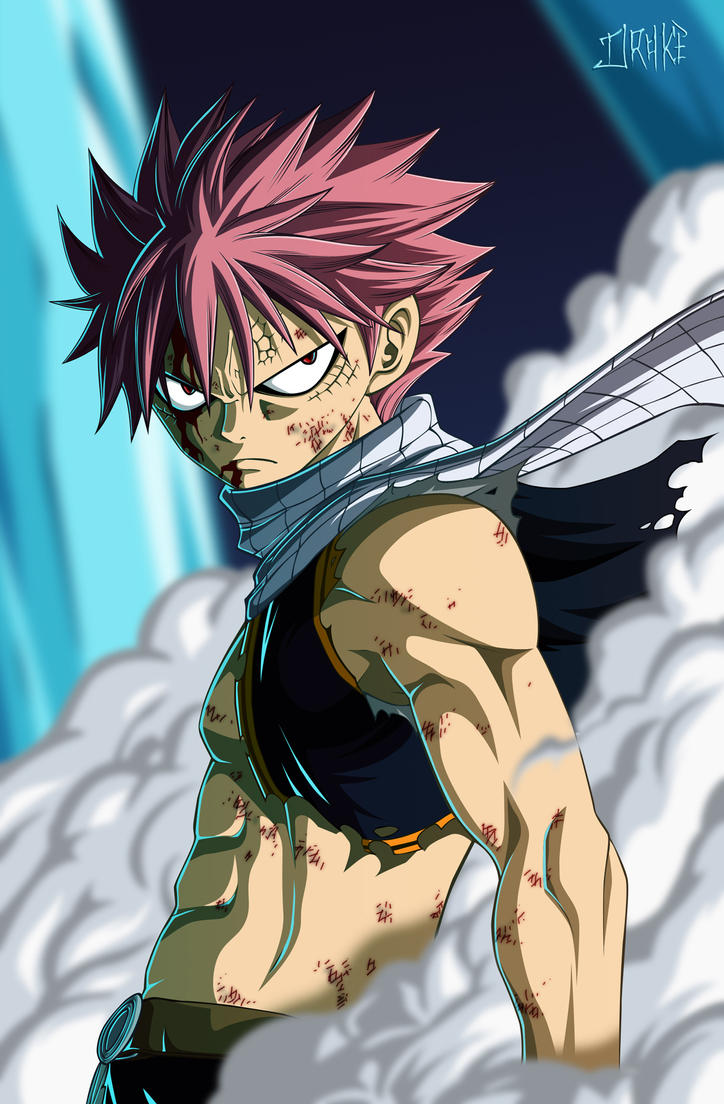
Another important aspect to what makes these fights is setting. Setting, in my opinion, is a crucial aspect for helping create the atmosphere of a fight. One of the first things our brains are able to recognize a fight by is the setting. The setting can be used as part of the fight as well. It has just such an enigmatic effect on fights that it becomes a key factor in what people will remember the fight for. One of the best examples of this for me is Natsu's fight with Jellal in the Tower of Heaven. That fight wasn't so great in terms of the actual combat, but it stands out for me because the Etharion background is so captivating and add such a cool element to the fight. Another fight that stands out for me primarily because of setting is Ichigo vs Ulquiorra from Bleach. Yes, this one was a very good physical fight but what I remember it for is the unique setting. The night time of Hueco Mundo was just so visually appealing with the soft white sand mixed in with the pitch black background of the sky. It was something that I'd never seen before having characters fight in a black and white space like that. So yes, in my opinion setting is a critical element of why we love fights.

The final element I think that is key to making these fights so compelling is the actual fluidity and innovative nature of these battles. We love fights because they provide a sense of entertainment like no other. The action and strategy presented keeps us on the edge of our seats and emotionally invested in what the outcome will be at every turn in the battle. Fights are more compelling when they are creative in their approach to it. We want to see the characters engaged in battle have to improvise and find new applications of their skills and abilities to overcome their opponents. We also are going to be more captivated by a back and forth confrontation where neither character readily has the upper hand. These are the types of aspects that make a fight memorable. We want to be thrilled by what we see. Fights need to be exciting while keeping your full attention with what is happening on screen. We, by nature, are excited by the unexpected and by competition. So the more these fights are smart, entertaining, competitive and creating, we are always going to be captivated by their magic.

So there we have it. Fights are always going to capture a lot of people's attention for the sheer entertainment purposes of wanting to be blown away by the sheer power of competition and unpredictability. It's only natural in a society that promotes violent competitive sports such as football, boxing and mixed martial arts that we'd also love the the supernatural battles that occur in shounen battle series. I for one, will always be a fan of fights in anime and manga series because of the reasons mentioned above. There is just so much that can be added to a series by having stories end through battles. It is a euphoric feeling of enjoyment that can't be created by anything else. I will always be a supporter of the series that attempt to carry on this tradition and I am glad to have gotten to watch a vast variety of all different styles of battle in anime and manga to write about my love for them.

Wednesday, January 29, 2014

Top 10 Anime Feature Films

Let me start off by saying this list is heavily opinionated. Everything I write in this article is my own opinion based on the anime films that I have seen. I haven't seen every anime film but I have seen a good amount. Also, like most of my lists, I have conditions for what I qualify as an anime "feature film" as I stated in the title. That means it is a standalone film and not apart of a series of movies (Ghost in the Shell Arise, Evangelion, etc.) or movies that are from a popular anime series (DBZ movies, Fullmetal Alchemist Sacred Star if Milos, Trigun Badlands Rumble, Cowboy Bebop The Movie, etc.). So the movies that I am writing about are the ones that tell a story in their given time frame and end it within that time frame. With all that said, let us begin!


10


Coming in at number ten is Madhouse's visual masterpiece, Redline. Directed by Takeshi Koike, The film is set in the distant future, where a man known as JP takes on great risks for the chance of winning the titular underground race.The film is famous for being in production for 7 years and ultimately producing one of the best looking animated films I've ever seen. The visuals of this movie are absolutely stunning. The film consisted of 100,000 hand made drawings and it shows in how insanely stunning these visuals are. Redline tells a simple story that is entertaining and action packed, but other than that there isn't really a whole lot to the plot. This is the main reason I can't put Redline further on this list is that it had such minimal plot. Obviously, this was done because the main selling point to Redline was for it's artistic visual masterpiece but it doesn't help the film. It is an exciting story and enough to keep you interested, but if it weren't for the art this movie would not have been as memorable or successful as it was. The minimal plot does fit in nicely though as it does not draw the attention away from the visuals and at the same time doesn't create too much to digest from what's happening on screen. This film will always be remembered by fans as a cult classic because of how brilliant the animation is. Redline will be remembered as the most visually pleasing film of all time.

9


Coming in at number 9 is Madhouse's psychological masterpiece Perfect Blue. Directed by Satoshi Kon, this psychological thriller tells the tale of a member of a Japanese pop-idol group called "CHAM!", who decides to pursue her career as an actress. Some of her fans are displeased with her sudden career change, particularly a stalker named Me-Mania. As her new career proceeds, Mima's world becomes increasingly reminiscent of the works of Alfred Hitchcock: reality and fantasy spiral out of control, and Mima discovers that Me-Mania is the least of her troubles. I credit this film as being the best horror story to ever be animated. This film has the feel of a real horror movie. This film does an amazing job of building suspense and keeping you on your toes the full way through. The story builds a very well told mystery that has you trying to figure out who the killer is throughout the film. The film's climax reveals the shocking plot twist that makes this film memorable. As a good horror movie should do, it keeps the killer a mystery until the very end when you finally figure out the whole story, This film is a shocking and twisted psychological masterpiece that will have you caught in the suspense throughout and is an incredibly good watch for adult viewers.

8


Coming in at number eight is the sci-fi cult classic by Production I.G., Ghost in the Shell. Directed by Mamoru Oshii, host in the Shell follows the hunt of the public security agency Section 9 for a mysterious hacker known as the Puppet Master. With the assistance of her team, Motoko Kusanagi tracks and finds their suspect, only to be drawn into a complex sequence of political intrigue and a cover-up as to the identity and goals of the Puppet Master. This film is a philosophical master piece exploring self identity in a technology advanced world. I recognize that Ghost in the Shell is an absolute masterpiece and one of the landmark anime films in history, however my relationship with Ghost in the Shell is very complicated. I love the film but for some reason, in the 3 or so times I've seen it, it just seemed to fly by up until the ending. It just seemed like nothing happened for like an hour and then we reached the climax where you are just hit with everything at once. Maybe the philosophical undertones just went straight over my head, but I never really got much out of the dialogue between the Major and the Puppet Master. With that said, the self identity elements of the movie are clear and are enough to make the story of this film memorable. I also credit Ghost in the Shell to be the second best looking animated film of all time that was done completely by cel style animation. If Redline was a testament to how amazing modern animation is and what can be done with CGI animation and hand drawn scenes, then Ghost in the Shell is one of the films that is a testament to what can never be replicated by today's animation standards and the amazing backgrounds that you can create with cel animation. As being one of the most iconic and original animated films of all time, as well as being the inspiration for the Matrix, Ghost in the Shell earns a spot on any and all top 10 anime films lists.

7


Coming in at number seven is Studio Ghibli's Princess Mononoke. Directed by the legendary Hayao Miyazaki, the film follows the story of the young warrior Ashitaka's involvement in the struggle between the supernatural guardians of a forest and the humans who consume its resources. Mononoke was one of Miyazaki's most successful films, which is saying a lot considering the man's resume. Miyazaki tells the wonderful story of a young prince who is caught in a struggle between nature and progressive imperialism. Ashitaka is stuck trying to make peace between the struggle of the people of Irontown and the creatures of the forest who are led by a young woman named San. It's the old story of environmentalism and the damages of imperialistic expansion into the wilderness. Miyazaki, being an avid environmentalist brilliantly portrays this struggle well in this film. Not only is this struggle given  in this film, but he also adds in the supernatural element in the forest spirits. The scene at the end where the Forest Spirit goes on a rampage after being decapitated was absolutely brilliant and made this movie memorable. This is still one of Miyazaki's best and with good reason.

6


Coming in at number six is another Studio Ghibli materpiece in Howl's Moving Castle. Once again, directed by Hayao Miyazaki, the film is based on the novel of the same name by English writer Diana Wynne Jones. ynne Jones's novel allows Miyazaki to combine a plucky young woman and a mother figure into a single character in the heroine, Sophie. She starts out as an 18-year-old hat maker, but then a witch's curse transforms her into a 90-year-old grey-haired woman. Sophie is horrified by the change at first. Nevertheless, she learns to embrace it as a liberation from anxiety, fear and self-consciousness. The change might be a blessed chance for adventure. Putting this as number six was tough for me because I've always stood by the fact that I liked this film better than another Miyazaki film that will appear later on this list, but throwing my bias aside, I believe I was able to fairly place this film. The adventure elements of this film were outstanding and as all Miyazaki films do well, was chalk full of good moral themes for us to follow. The underlying love story between Howl and Sophie goes along exceptionally well with the background war elements going on at the same time in the film. The film was extremely unique and creative and handled the fantasy elements well along with the everything else going on in the film. This was one of Miyazaki's best films and one of my all time favorites.

5


Comin in at number five is another film coming to us from Studio Ghibli in Grave of the Fireflies. Being one of Ghibli's first official films after the studio's founding, it also stands as one of their best. Directed by Isao Takahata,  tells the story of Seita, a young boy who has to take care of his younger sister Setsuko when their mother dies. Grave of the Fireflies is one of the most gutwrenching realistic films you will ever watch. Not only is it one of the best animated films of all times, but I would go as far as to say it is one of the best war films of all time. This film offers us a different perspective than most war films. Instead of focusing on the war itself, what Grave of the Fireflies chooses to do instead is focus on the effects of war on the innocent civilians. Seita and Setsuko are orphaned at the beginning of the film after their mother is killed due to the air raids by US troops. Seita is left to take care of his sister and attempt to survive. It is hard to watch as these two struggle to stay alive and is probably one of the most depressing films you will ever watch. It is so grueling to see these children die slowly right before our eyes. Grave of the Fireflies will ultimately go down as one of the most beautiful and haunting works to ever be produced from Japan.

4


Coming in at number four is Madhouse's Summer Wars. Directed by up and comer Momoru Hosoda, this film tells the story of Kenji Koiso, a timid eleventh-grade math genius who is taken to Ueda by twelfth-grade student Natsuki Shinohara to celebrate her great-grandmother's 90th birthday. However, he is falsely implicated in the hacking of a virtual world by a sadistic artificial intelligence named Love Machine. Kenji must repair the damage done to it and find a way to stop the rogue computer program from causing any further damage. Sporting a very large cast of characters, Summer Wars is an excellent feel good film with a lot to teach us. For such a short time to work with, Summer Wars is able to introduce us to such a larch cast and give them all screen time and development. You leave this film feeling like you knew each and every single one of those characters and that is a testament to what a great director Hosoda is. A beautifully touching film, Summer Wars makes you take a step back and appreciate your family. The film is very family oriented and displays the strong unbreakable bonds that exist within family. As stated by Granny, "never turn your back on family. Especially when times are tough". Couldn't have summed up why this film is so remarkable any other way. It is simple and entertaining but does a good job of telling a mixed tail about how close Japan is to falling into chaos due to the virus Love Machine. Not only are their undertones of family, but there is also a strong message about relying too heavily on technologically advances. Summer Wars makes us appreciate the simplicity of life, love and family.

3


Coming in at number three is Studio Ghibli's highest grossing film, Spirited Away. Directed by Hayao Miyazaki, this film tells the story of Chihiro, a sullen ten-year-old girl who, while moving to a new neighborhood, enters the spirit world. After her parents are transformed into pigs by the witch Yubaba, Chihiro takes a job working in Yubaba's bathhouse to find a way to free herself and her parents and return to the human world. This coming of age film is ultimately Miyazaki's best and his all time greatest achievement as a director. This was the film that cemented his legacy as the greatest animation director of all time. Spirited Away was the first Japanese animated film to win an Academy Award. Spirited Away is full of memorable scenes that cement it's place in history, but none more memorable than when Chihiro is swept up into the spirit world. That scene is unforgettable and so memorable that it even garnered a parody scene in a recent Simpsons episode. This film is an iconic coming of age tale that so wonderfully captured the fantasy elements we are accustomed to seeing in a Miyazaki film. The imagination of this man is astonishing. How Miyazaki is able to come up with this awe inspiring, dazzling fantasy worlds is beyond me. This is one of the best animated films you will ever see, everything in it is close to flawless from the outstanding soundtrack to the exceptional tale we spend with Chihiro. Definitely, one of the greatest animated films of all time without question.

2


Coming in at number two is Madhouse and Studio Chizu's Wolf Children. Directed by Momoru Hosoda, the film tells the story of  Hana, who falls in love with a Wolf Man. After the Wolf Man's death, Hana decides to move to a rural town to continue raising her two wolf children Ame and Yuki. This is, without a doubt, one of my favorite movies of all time, Despite being relatively new, this is without a doubt, one of the greatest films I've ever seen, period. It is an instant classic that should be seen by all. This film is probably the closest thing to flawless I've ever seen when it comes to animated films. From the story, to the music, to the animation, just everything is on top of it's game here. The story is very simple but told in such an exceptional way that it is just nothing short of remarkable. We follow Hana's struggle to raise her two children, Ame and Yuki, as a single mother after their father is killed. This alone is a great setup, let alone throw in the same identity issues as  a film like Ghost in the Shell and you have yourself one hell of an amazing movie.The film focuses a lot on the chose between the two children whether they want to live as humans or wolves. This portion of the story is excellently foreshadowed throughout and comes to a head at the very end of the film where the paths of the two children become clear. The scenes when Ame and Yuki have to go to school and they are leaving from their house where we are introduced to a right and left path are absolutely chilling. The left represents the way they take to school and the human life where as the right is the wilderness and represents the life of a human. Each time the paths are shown it sends chills down the spine because of how brilliantly this is executed. It is a very good watch that gets better each and every time you see it. Wolf Children is a special movie and nothing short of brilliant. With time, it may be the greatest anime film of there is. However, it is because of number one's iconic legacy that Wolf Children falls to number two.

1


If it wasn't obvious by now then you need to go see this film. Coming in at number one is Tokyo Movie Shinsha's cyberpunk classic Akira. Directed by Katsuhiro Otomo, the film depicts a dystopian version of Tokyo in the year 2019, with cyberpunk tones. The plot focuses on teenage biker Tetsuo Shima and his psychic powers, and the leader of his biker gang, Shotaro Kaneda. Kaneda tries to prevent Tetsuo from releasing the imprisoned psychic Akira. This film packs in a lot of material stretching out to be a 2 hour long cinema masterpiece. This however, still doesn't feel like it was truly enough to fully dissect the entire plot that Akira had to offer. However, the story told within the movie, albeit differentiating from the source material, is still a very captivating story as it is altered well by Otomo. It is a very complex story and kind of a cautionary apocalyptic tale. With Tokyo being destroyed by the uncontrollable psychic power Akira. Now, in the year 2019, the military is once again trying to harness the "power of a god". Akira's power is both feared and praised throughout the film. Unfortunately for Tetsuo, he is the second coming of this uncontrollable psychic power and is doomed to his fate to ultimately loose control. This was the first feature anime film to really break out over in the United States and start a wave of anime popularity over in the states. It is held in high regard as the landmark anime film. Even though the film is 25 years old, it has aged exceptionally well. It's visuals still stand atop of the anime kingdom as the greatest feat ever accomplished by cel animation. the scenery and backgrounds are the greatest to ever be produced in anime. The amount of detail is unreal. This film is not only one of the most iconic animated films ever made, but it is one of the greatest films made in general. This film is considered a cult classic and is a landmark in what can be accomplished with animation. It is indeed, a truly unforgettable masterpiece in every sense of the word.


Monday, January 20, 2014

Shinobu Sensui - An Unconventional Idea of Brilliance


Following up my post analyzing the complicated situation of Naruto's main antagonist Obito Uchiha, I thought it would be a fun idea to continue on with the topic but change directions in the character. This time, I will be analyzing Shinobu Sensui, the main antagonist of Yoshiro Togashi's series Yu Yu Hakusho.

Sensui, much like Obito, is known to be a very diverse character with conflicting opinions from the anime/manga community. It seems as though a vast majority of the people who have seen/read Yu Yu Hakusho tend to under appreciate Sensui's character. Whether this is intentional or not, I think it is clear that Sensui is at least the most interesting antagonist of the series. I think Sensui's role in the series is heavily overshadowed by the villain and arc that succeeded his own. I believe a vast majority of people think of the Dark Tournament and Toguro to be the high points of the story. However, this was just the tip of the iceberg for Togashi's series. He followed up this arc with one of a much grander scale. Here, we are introduced to Shinobu Sensui, Yusuke's predecessor to the title of humanity's Spirit Detective. Sesnui's plan is to open a tunnel to Demon World which will in turn, bring destruction to the Human Realm. Simple enough right? Well, this is just the start to what Togashi had planned for Sensui.

Sensui provides one of the most bone chilling on screen introductions I have ever seen and has yet to be topped as far as making a statement with an introduction. While Yusuke's group is on a scouting mission trying to discover the source of the vastly growing epidemic of humans gaining psychic powers as well as a correlation with the growing number of demon entities being present in the human world, they happen to discover a human whom has the ability to read people's minds. Yusuke easily defeats the inferior human and forces him to help in their search to find who it is that is digging a tunnel to demon world. It is at this time he takes an eraser through the skull that Yusuke is able to lock eyes on Sensui who has one of the most twisted looks on his face before he disappears through the crowd of bystanders.

After this, Yusuke duels Sensui and his subordinates several times before they are finally able to come face to face in a one on one confrontation. During this fight, everything we have seen and learned throughout this arc about Sensui and his plans is completely tossed right out the window. Yoshihiro Togashi, being the masterful author that he is, completely hits the readers/viewers from left field with curve ball after curve ball after curve ball. Sensui, being scarred from his final case as a Spirit Detective before going rouge, has been left emotionally unstable and unable to cope with the harsh reality he has come to know. This has driven him to split off his personality across seven different beings, thus being revealed to have multiple personalities disorder. Yusuke only faces three of the seven personalities but ultimately ends up fighting the main personality.

Sensui's plan of trying to destroy human world is also flipped as the arc goes on. We come to find out that Sensui's ultimate goal with, in truth, to travel to Demon World to attempt to find the meaning to his life. Sensui wanted to see the world through the Demon's eyes to find peace within himself for all the Demons he had slain throughout his life. Sensui is ultimately defeated by Yusuke, who was being possessed by Raizen, and is able to come to terms with the life he had live. Sensui, after already having his character completely unraveled and twisted throughout the arc, is revealed by Itsuki to have been terminally ill and would've died in a few months had he not been killed by Yusuke. Sensui ultimately dies and his body is taken away by his lover, Itsuki, where they will spend eternity together in the dimensions between worlds.

I believe that people don't appreciate Sensui's complex character enough. Whether it be a dislike for his ideals, his changing character, his personality or because he was one of the only antagonists to be written as a homosexual, people just haven't seemed to be able to connect to Sensui the way they were able to Toguro. Maybe the fact that Sensui's motives and character changed so drastically as the arc went on made it difficult for people to identify with him. For me, Sensui is, and most likely always will be, my favorite villain of all time (yes Hisoka is an antagonist and my favorite all time character, but Sensui is a better villain in the truest context of the term). Sensui had it all, he was: interesting, charismatic, charming, eloquent, well spoken, badass, powerful, original, an idealist and overall, brilliant.

Monday, January 13, 2014

The Complicated Case of Obito Uchiha


I was sitting in my literary analysis class today and we were doing an analysis of some short shorty about a store clerk coming face to face with a gangbanger whom he helped out when the gangbanger was 10 years old. My professor began to have us disect this story and I drew a parallel from the words he was saying to my feelings about Obito Uchiha.

By now, this portion of the story has been revealed to anime and manga fans alike. The man behind the mask and the Tobi alias was none other than Kakashi's childhood best friend Obito Uchiha. For those of us who have read the manga, we've know for awhile but with it just recently being revealed in the anime, it has become apparent to all fans of the series. It may come as a shock to some but I think there were enough clues leading up to the event that we all knew there was only one true possibility. The initial reaction to the unveiling was mixed. A good portion of the people were pleased by the reveal. However, there was probably an even greater number of people whom were dissatisfied with the direction the character headed. My reaction, now having gone through the material a different number of times and a varying opinion has led me to believe it was time to, in a sense, analyze the character and his importance to the series.

With the mysterious Tobi's identity now revealed, we are starting to get some backstory as to what happened to the charismatic troublemaker whom we were all left to believe was dead. However, this isn't our first introduction to the character. We are first physically introduced to Obito in the Kakashi Gaiden chapters/episodes of the series which tells the story of how Kakashi gained his Sharingan. Although this is the first time we physically see and hear Obito, this isn't the first actual introduction of his character. We learn about Obito right from the beginning stages of the story. Kakashi introduces Obito from the get go when he uses the line of his old friend that "a shinobi who breaks the rules is trash but a shinobi who abandons his friends is even greater trash." He also visits Obito's grave and says of him that he is a good friend he lost in the last Great Ninja War. So Kishimoto was making Obito's presence felt right from the get go. He was introduced as a huge plot point that would play a factor in this story. The foreshadowing here was imminent, but I believe was just missed by a great number of people, including myself at first. It wasn't until further re-examination that I noticed that Obito was being pressed hard in this story from the early stages and got more prominent the further the story progressed. So it isn't as if this wasn't set up from the get go.

I guess some people just found it hard to believe that this is what could've become of Obito. I personally have come to love the decision by Kishimoto to make Obito the main antagonist of the series and to mask him under the Tobi alias. It just works on so many levels. It was the missing story to how Kakashi was able to utilize his Sharingan. He had to come head to head against the man sporting the opposing one. Not only this, but it also completely tears down Kakashi's ideals as a Shinobi that he has instilled in his student, Naruto. Kakashi based a lot of his morals off of his heroic friend who died in battle saving Kakashi's life. For Obito to return, dawning the mask of a man who has committed multiple international crimes and also trying to bring an end to the world, completely breaks everything Kakashi had come to represent. It also works because Obito was an exact parallel to Naruto when he was his age. He was the talent less goofball ninja who could never get the girl he liked. Obito was the mirror image of Naruto, the only difference is he walked a different path than him and lost his way. Naruto would've repeated Obito's mistake and walked down the path of hopelessness and despair had it not been for Minato. In Naruto's fight with Pain, he almost gave in to his haterege and unleashed the Kyuubi but was saved by Minato.

So it's clear that Obito as the main antagonist makes sense. I think where my problem with the character lies was with the execution. Kishimoto has created a reasonable main villain who has a legitimate gripe with our main heroes. It's a great idea yet fans weren't able to appreciate it. The reason? It's because Kishimoto does a poor job of executing this story arc.

After Obito is unmasked, we begin to get more of his backstory post rock crushing. It was revealed to us that after Obito was crushed presumably to death by falling rocks in order to let his friends escape, he had somehow survived certain death by an elderly Madara Uchiha. As Madara put it, Obito was somehow able to just slip right through the boulders (indication that Obito was unconciously saved by his Kamui ability). Madara patched up Obito and gave him new limbs using Hashirama cells. He asks Obito in return that he return the favor and help him launch his Infinite Tsukoyomi plan. Obito refuses saying that he has to return to the village to help his friends. Madara convinces Obito to stay and rehab his new limbs. Obito, still having every intention on leaving, begins to wait out his limbs rehabilitation until he learns from Zetsu that his friends are in trouble. Obito uses Spiral Zetsu's body to break out and go to the scene where his friends are. Upon his arrival, he is shocked by the scene of his best friend Kakashi killing his long time love interest Rin. Enraged, Obito killed all the surrounding Mist Ninja and proceeded to cradle Rin's dead body in his arms. It is at this point that Obito believes in Madara's words and decides to help aid him in his plan. Obito abandons his identity and takes on the persona of Tobi in order to set the plan into action.

This sounds like a great motive for our main antagonist but it is somehow botched by Kishimoto's execution of this story line. He constantly gave Obito poor dialogue and explanations for why he would join the likes of Madara. His most famous and despised line being "It's because you let Rin die." Obito also when explaining his image of what he would envision during the Infinite Tsukoyomi would be with his friends when they were kids again. This also lead to the assumption that Obito was stuck at the age he was before he died. Obito was painted in a negative light where it looked like he was just a child trying to go back to the way things were instead of moving on. Besides this, Obito also often contradicted himself when he gave his reasoning for why he was doing what he was doing. For example, when he said he was trying to revive the Ten Tails and basically end the world was because Kakashi let Rin die yet later reveals to Kakashi that he knew the full story the whole time and told him that he doesn't blame him and it wasn't his fault yet still couldn't let it go. This helped cement the idea that Obito was stuck in the past and couldn't move on.

The plot for this story line was brilliant. Obito lost the love of his life and unfortunately his attatchment to the real world and instead tried to create a fantasy world where things could go back to the way he wants life to be. He, much like Nagato, was a direct parallel to Naruto's character in different aspects but the result was the same. They were both redeemable characters and were able to make a mends, or at least try to in Obito's case, at the end of their lives thanks to Naruto's polarizing charisma. His reasons were undeniably justified. He had a legitimate motive to lose faith in humanity after the love of his life is killed. Obito was captivated by Madara's whimsical speeches and unable to resist Madara's words in the face of the ultimate tragedy he could encounter.  So the motive was there, the story was there, it was just poor execution on Kishimoto's part that made it a hard connection for the audience to grasp. Had Obito's story been executed better and painted in more of a traumatic light then perhaps we'd be talking about one of the greatest and most compelling antagonists of all time.

It's a love/hate relationship with Obito Uchiha. I started off loving the character, then despising him, then appreciating his character while still disliking him, to ultimately fully accepting the character and being completely captivated by the complexities of Obito. I understand people who are going to dislike Obito regardless, but  I believe he is one of the most compelling characters in the series. Perhaps only being second to Itachi Uchiha. Obito is your classic literary tragic hero. He was the hero of Konoha who gave his life to save his friends in war, who fell from his pedestal due to the loss of his love Rin. It's just as Harvey Dent said, you either die a hero, or live long enough to see yourself become the villain. In this case, those words have never rang so true, Obito's story is tragic, sad and overall brilliant. He is a very dynamic and complex character with many layers and a lot of depth. Obito is a complicated character, and that is one of the reasons he grown to be one of my favorites.

Wednesday, December 4, 2013

Is Mamoru Hosoda The Next Hayao Miyazkai?

For those who don't know who Mamoru Hosoda is, you should get familiar with his work. The guy is building quite the legend these days directing the monster hits: The Girl Who Leapt Through Time, Summer Wars and Wolf Children. Between the three films, Hosoda's works have grossed a total of approximately $75 million (in US dollars) and have won a multitude of awards. To simply state how successful Hosoda has been, he is the only Japanese director, other than Hayao Miyazaki, to be nominated for an Annie Award in an individual category. To put it directly, the guy has talent and is building quite the impressive resume for himself.

Having now established a pattern of success in directing animated features, it's clear that this feat would not go unnoticed. Hosoda has received massive amounts of praise from the media, whom have officially donned him "the next Miyazaki". I even recently noticed in Funimation's recent promotion for their release of Wolf Children that they have gone as far as stating so. Now, for those who are familiar with Miyazaki's works, this statement probably sounds down right ridiculous. But should it be? There is no denying that Hayao Miyazaki is the greatest animated director of all time and for good reason. He's earned the title. Not to discredit any other phenomenal directors, but all it takes is one look at the guy's resume to understand that he is the unquestioned greatest of all time. So why on Earth, is someone like Hosoda who's resume is nowhere near as impressive as Miyazaki's at the moment, receiving such incredible praise as to be put in the same sentence of the greatest there is?

Well, it's quite simple really. Hosoda has warranted the praise not only with the consistently astonishing films he has produced in the last few years, but also with the style he uses. Stylistically, has there ever been a director who mirrored Miyazaki's style more so than Hosoda? Other than those who produce titles for Ghibli, no one captures Miyazaki's style more so than Hosoda. All 3 of Hosoda's films feature a strong female protagonist in the same way that Miyazaki's films do. All 3 of his films tell a light hearted tale that in the end, we come out feeling like we learned something about morals and values the same way we do with a Miyazaki film. Hosoda films, however, often are not as politically focused as Miyazaki's films. This isn't to say that all of Miyazaki's films were politically driven, but it is pretty evident in a vast number of his works. A lot of Miyazaki's works also tend to have a strong societal message in them, often about the environment or our nature as people. This isn't to say that Hosoda shies away from the concept, he just applies it in a different manner. In The Girl Who Leapt Through Time, Hosoda speaks to how our selfish actions can impact those who are surrounding us. In Summer Wars, he speaks to how too much dependence on technology can be a bad thing as well as the importance of family. In Wolf Children, Hosoda recycles the importance of family undertones but there is also present a huge sociological message about being different as Ame and Yuki are considered to be outcasts of society based on their genetic nature and how far their mother is willing to go to protect her children and make life as normal as possible for her children.

So stylistically, it is a fair comparison for Hosoda to Miyazaki as his films share a lot of similarities to those of Miyazaki's. More so than any other director I have seen thus far in animation. So what about Hosoda's works themselves? Do they justify the comparison? I know I will upset a lot of Miyazaki fans with this next statement but here it goes: I'd venture as far as to say that Hosoda's three major films right now stack up toe to toe with any and all of Miyazaki's films. Now I know that sounds crazy, how could anyone live up to Miyazaki's legend? No one can create better films than Miyazaki? If there was anyone who can tell a story more eloquently and dazzlingly than Miyazaki, it would be Hosoda. Albeit, the sample size is smaller, but the quality is on par, if not better than some of Miyzaki's works. Without letting nostalgia or the impact of the films cloud our judgement, based solely on pure execution and quality of the stories, Hosoda's works could rival any of Miyazaki's films. Without bias, I think after viewing all the works presented by both men, it is a fair statement that Hosoda's films are exceptionally brilliant and you walk out of every one of them with the feeling that you just witnessed a masterpiece. The same could be said for Miyazaki, however I believe that often times people allow the mystique of Miyazaki's legend to influence their opinion. Miyazaki is indeed a legend, but let's face it, he isn't god. With that I'm saying it's okay to say that one can produce a film that surpasses that of Miyazaki. I'm not saying that Hosoda is a better director, only time will tell for that, I'm saying there is nothing wrong with enjoying one of his works better than that of one of Miyazaki's.

With Miyazaki recently retired, presumably for good (although no one knows how long that will be with a few other previous retirements and returns) it is time for someone to carry on the torch for a new generation with producing top quality animated features. If anyone was going to garner the title "the next Miyazaki" then I'm glad it is Hosoda. Hosoda has been the best director in regards to animated features in the past decade, so I believe the comparison was well warranted. Stylistically, technically, and story telling ability, no one has lived up to Miyazaki's standards quite like Hosoda. For future generations, Mamoru Hosoda is going to be a legendary animated feature director, so if you are unfamiliar with the name, now is the time to get familiar. Remember the name Mamoru Hosoda.

Wednesday, October 23, 2013

Future of the Shounen Battle/Action/Adventure Genre


I'm sure by now, most of you are familiar with this subsection of anime and manga. I know that shounen is a demographic which is aimed at boys, but over here in the United States it is often inadvertently identified as a genre for a large list of series which share similar characteristics. I tend to usually identify these series as Jump series since most of the titles people readily identify as shounen come from Jump, but in this article I'm going to have to broaden my explanation as their are other series such as Fairy Tail outside of that magazine that use the same formula. Typically, I would tend to define these series as being an action adventure series or a battle manga, but for the sake of this article, I'm going to be politically incorrect and classify these series as just "shounen" so everyone knows what I am talking about.

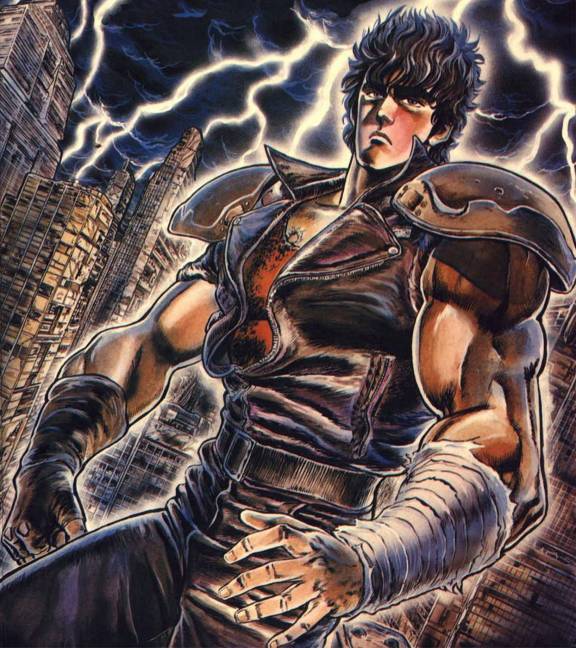
Now on to the content of this article.What is the future of shounen manga and anime? When most of us (at least in the United States) think of the classic anime that have withstood the test of time, most of them were in fact the battle shounens. When most people are asked what anime are considered "classics" or "must sees" many, if not all of these lists will include series such as: Dragon Ball, Hokuto no Ken, Saint Seiya,, Yu Yu Hakusho, and Rurouni Kenshin (I know that there are other technical shounen series such as Slam Dunk, but I'm focusing on the subsection like Dragon Ball that the American audience readily identifies as shounen).


I know there are probably a few series here that I forgot to mention, but these are typically on every one's lists. The era of Dragon Ball and Yu Yu Hakusho really paved the way as being the inspiration to a wide variety of shounen manga. There was a second generational boom in the late 90s and early 2000s that really cemented these types of anime and gave it validity. As classic as series like the 5 mentioned above were, they really had no idea what they were doing as far as the style they were creating. I bet Akira Toriyama and Yoshihiro Togashi had no idea that a decade later, their way of telling stories would be the base template of what many similar stories have used over the past decade. I consider the past decade to be the golden years of these style of stories, the "shounen" series. While many of these probably won't have the staying power of these 5 "classics" I mentioned above, mostly due to the growth of the "genre" but if it weren't for these 5 stories then there would be no Bleach, Naruto or One Piece today.

I know we take it for granted since many of the series that were apart of this boom are still ongoing, but we need to look at this from a different perspective. The late 90s through mid 2000s provided us with several series which many people are familiar with today that have carried on the legacy of this art form of storytelling. Series such as: Gintama, Hunter x Hunter, One Piece, Naruto, Bleach, Katekyo Hitman Reborn, Fullmetal Alchemist (although considered by most as a "classic" and "must see" along with the 5 series mentioned above, it was a part of the new wave in the early 2000s), InuYasha, Soul Eater, D.Gray Man, Groove Adventure Rave, Flame of Recca, Kenichi the Mightiest Disciple etc. The point being, this was a golden period that released many anime and manga of this style of series that many of us have taken for granted the fact that it may not have the staying power we once thought. We became so complacent just expecting new series to continue this formula and find ways to make it unique and innovative. Maybe that is the ultimate demise to this subsection of a genre. Maybe the fact that every one of these series follows a similar outline is the reason why this boom has also started to fizzle out.

In recent years, not counting the ongoing series, what have we gotten from this subsection of this particular style of story? Maybe the fact that shounen took some time to catch on with the fans should have been an indicator that it would, like most things, eventually fizzle out. I find it hard to believe that after at least 20 years of staying power that there isn't a future for this type of story in Japan, but recent history makes it hard to foresee a future for these types of stories. The main stories to come out in recent years that have seemed to catch on with fans are Fairy Tail, Magi, Toriko and Ao no Exorcist. Some other series such as Deadman Wonderland and Code:Breaker have showed signs of promise but never really took off the way people expected. I guess Ao no Exorcist could kind of fall into that category as well. The main trait between most of these series is that they were not being serialized by Jump. Jump seemed to be the main facilitator to shounen series of this kind but it just hasn't produced a home run in recent years. And why should it have to? With One Piece, Bleach and Naruto being serialized weekly still, it has some home run names it can rely on. As most already know, however, Bleach and Naruto are both in the final stages of their stories and will soon be over. So what is going to fill the void? It appears as though Jump has been shying away from green lighting battle series recently and they are beginning to fizzle out more and more in numbers. While there still are successors in this style of storytelling, as mentioned above with Fairy Tail, Toriko and Magi, there don't seem to be the number of success stories as there had been the decade prior. Stories of this kind just don't seem to be catching on anymore  Ever since the mid-late 2000s and early 2010s, we really have seen a decline in shounen series catching traction with the fans the way it had a decade prior.

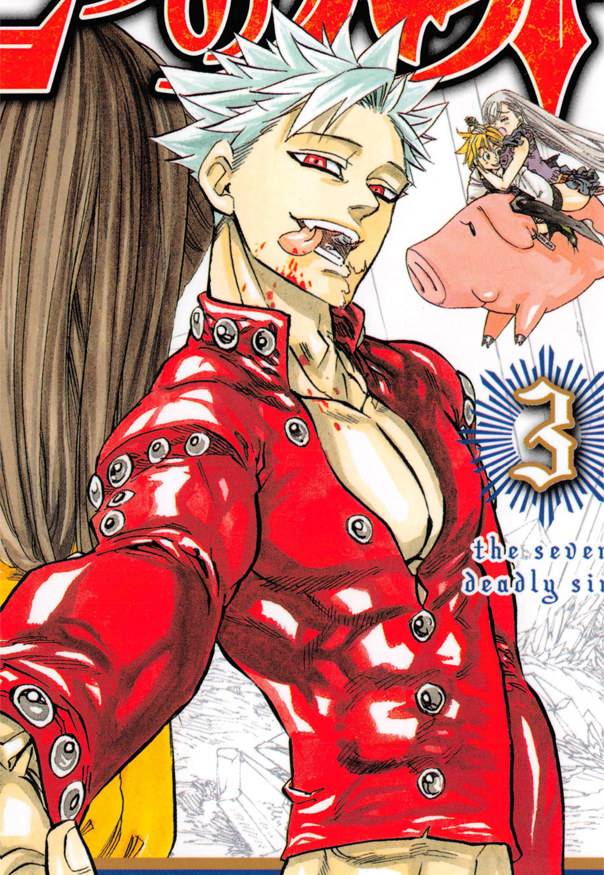
The question we have to ask ourselves is where do we go from here? Is there a future for battle shounens? I'd like to think there is, as I am a huge fan of these types of stories. There just seems to be something so special about characters having superpowers and having to rid the world of evils or fight injustices with these powers. There is some sort of magic in seeing opposing powers fight with aura as opposed to knives and guns. It's hard to foresee a future with series that show promise being cancelled prematurely. Series such as Hungry Joker looked like they had potential to carry the torch into this new generation and succeed the Naruto's and Bleach's of the world much they way the "Big 3" had to the manga of the 80s and early 90s. It's hard for me now to get into a new manga series that is under 100 chapters without having the fear that it won't gain the traction and click with the fans or that it will be prematurely cancelled when I do decide to follow the hype and attempt to catch a series early on in its development. Hell I didn't even give Magi a chance until it already announced the anime adaption because I didn't think it would be able to maintain. I did the same with Fairy Tail and yet still have yet to dip into Toriko. In discussing the future of the genre, it's hard to see a series like The Seven Deadly Sins be 50 chapters in and just now gaining a bit of traction and still not know whether I should look into it or not until it cements it's place. Maybe I'm contradicting myself here in complaining about stories gaining some momentum and not giving them a chance until they are established, but with modern day shounen series, it's just too hard to tell which ones will gain that momentum like Magi, Fairy Tail and Toriko and which ones won't like Deadman Wonderland, Code:Breaker and unfortunately the prematurely cancelled Hungry Joker.


So who knows what the future will hold, looking ahead as I have said, a series like The Seven Deadly Sins might be able to grab the reigns and take control of this new decade of shounen manga/anime. Maybe Fairy Tail, Magi and Toriko will have the staying power that One Piece, Naruto and Bleach had. It's just too hard to say at this point and maybe the fact that several of the shounen series from the late 90s and early 2000s boom are still ongoing keeping the subsection of this genre relevant today. Maybe it won't be until all of the players from that time period are gone that we will truly be able to determine where these type of stories will be. One cannot deny that the number of quality shounen battle series has severely declined since the late 2000s and early 2010s. Maybe the world today is just too impatient to start these series and watch them grow. Maybe the business is expecting boom or bust right away with these shounens and these expectations are leading to failure. Maybe the commercial failure of many of the anime that correspond to recent shounen manga is responsible for the decline in a demand for these type of stories. Only time will tell where we will be at down the road, but hopefully we will be able to have a clear crop of success stories to carry on the torch of shounen battle manga/anime.

Thursday, August 1, 2013

Hunter x Hunter Phantom Rouge - Thoughts and Impressions


I have been anxiously awaiting this movie to be subbed to watch it, deciding to skip out on the raws to get the full experience in my first watch through. Knowing that this was Hunter x Hunter's first movie left me with great anticipation for what would be delivered by Madhouse and Hunter x Hunter Phantom Rouge did not disappoint (for the most part).

The movie starts out as what appears to be a flash back as we are show Killua standing atop a building waiting for the moment to attack his prey. After a brief conversation with Illumi who is lurking in the shadows, Killua hops down and takes care of business. After escaping from the murder scene which he had created, Killua is shown walking in an alley where he encounters a group of normal kids who ask him to throw them their ball back. Illumi then appears and gives Killua a pretty memorable reminder of how he doesn't need friends by ruthlessly killing all 3 of the boys. At this point Killua awakes from his sleep in a state of panic only to realize that it was nothing but a dream. This scene for me stood out because it was one of few times we actually get to see Killua do what he does (or did) best. Watching the days of him as an assassin, even if it was just a nightmare, was very entertaining.

After this we are rushed quickly into the plot of the movie as Kurapika is in the hospital after loosing his eyes. Gon and Killua search to figure out where the man who stole his eyes is hiding while Leorio stays behind to look after Kurapikia. During their search, we are introduced to the street performer Retz, who Gon accepts full heartidly but Killua is weary of. Retz, in my opinion, was a fairly useless character who was too involved in the story's plot. Retz's purpose was only to be a plot wedge to attempt to drive Gon and Killua apart, much in the sense Bisky initially tried to do (unsuccessfully of course) upon her introduction in Greed Island. Retz doesn't knowingly do so, but it is blatantly clear that this was the only purpose the director had in mind for her. She is almost successful too when Killua tries to stand in front of an oncoming train to end it all after he felt like he abandoned Gon. Of course, the shining ray of light himself showed up to push Killua at of the way just in time and then continued to put his friend at ease.

This all leads up to a final, action packed showdown between the four main characters and Hisoka facing off against Omokage himself and the Nen puppets he created of Illumi, Pairo and the remaining members of the Genei Ryodan. At the end of the day, Kurapika is able to capture Omokage in his Chain Jail and attempts to place the Judgement Chain on his heart before he is stopped by Killua who convinces him to not bloody his hands and to leave the dirty work to him. Before Killua can commit the deed, Retz shows up behind her big brother and stabs him in the back, which ultimately serves as his demise. Before this however, Omokage unleashes one final attack with his puppets of Phinks, Franklin and Nobunaga. At this time, the real three Ryodan members show up to destroy the last of Omokage's puppets. This leads to a stand off between Kurapika and the Spiders before they claim that as much as they'd like to, they can not strike him down until the remove Kurapika's Judgement Chain from Kuroro's heart. At this point, Kurapika collapses from exhaustion and the Ryodan leave. Our four main characters leave Retz and Omokage to die together and the movie pretty much ends at that.

The movie was a decent start for Hunter x Hunter movies, but it easily could have been better. My main problems with the movie had to do with the pacing. Movies pacing differs greatly from they way the shows pacing entails, and in the case of Phantom Rouge a fairly good amount of scenes dragged on much too long. Most of these were the scenes that involved Retz too, but there were some others that just drug out for way too long. Another problem I had was the misguided characterization that was on display here. This isn't anything unusual with shounen films, but I was hoping for a little more out of Hunter x Hunter. The characterization was mostly on par, but it felt a little too over the top, primarily with Gon and Killua. That scene where Killua was holding Gon's Hunter license and attempted to get hit by the train was way too over dramatic. There were just way too many occasions where Gon and Killua had some rehashed exchanges where Killua feels like he's not good enough for Gon and Gon reassures him why he is so important to him. These aren't anything new for these two, but it was way too over the top and kinda over did it. The action scenes were decent, but were nothing compared to what the series offers. They lacked the strategic element present in all the fights displayed in the series.

The highlight of the movie was definitely seeing Hisoka's badass skills on full display. Other than that, the main take away I have from this movie was it was interesting to see who Hisoka's predecessor was. Omokage wasn't a great villain by any means, but he did just enough to be entertaining and prove that he definitely fit in to the band of misfits known as the Genei Ryodan.

Overall, it was a solid movie, but it had several flaws and left much to be desired. I'd give it a 7 out of 10, but for the most part it was a pretty average shounen jump movie. It lacked that amazing ability Hunter x Hunter has to outdo the status quo and instead settled on being sub par. Hopefully the second movie learns from the mistakes of Phantom Rouge, but Phantom Rouge will definitely be a solid shounen movie I can watch for years to come whenever I am bored and in the mood for a solid anime film that isn't too heavy on content.